
LAZULLIS
Desenvolvimento Sustentado




Sobre nós
Orientados pela reflexão e gestão executiva consolidada, em 30 anos de experiência profissional quer em novos projectos “start-up.s”, quer em operação estabilizada, em ambiente multinacional e de Pequenas e Médias Empresas nacionais, a LAZULLIS, desenvolve a sua actividade na partilha activa do seu conhecimento no apoio à gestão empresarial e de projectos, in situ nas empresas sobretudo PME’.s.
MISSÃO
Compromisso sem conceder, a princípios de ética e integridade, com total dedicação e comprometimento com as pessoas, para um desenvolvimento sustentado da economia e da sociedade.
VISÃO
Desenvolvimento, implementação, gestão de planos de negócio e iniciativas estratégicas, com foco na eficiência e na obtenção de resultados sustentáveis.
Serviços
Estratégia e gestão empresarial
Identificação dos objectivos empresarias das estruturas accionistas, para suporte ao desenvolvimento de novos negócios industriais, capacitação de estruturas existentes, recuperação de negócio.
Recolha, análise e avaliação de informação, no curto e longo prazo. Relatórios (baseados em informação).
Desenvolver/gerir Planos de Negócio resilientes, focados na reestruturação, adaptação de capacidades e valor acrescentado.
Gestão de projetos e sustentabilidade
Suporte ao processo de gestão empresarial, pela estruturação dos princípios estratégicos, identificação da iniciativas e acções estratégicas e operacionais.
Apoio à gestão e liderança de quadros e equipas multidisciplinares, com uma abordagem baseada, na confiança, espírito de equipa, conhecimento e experiencia adquirida in situ.
Compromisso sólido no relacionamento próximo com o cliente são facilitadores.



Sectores de actividade
Experiência e registo profissional na indústria Multinacional e PME.s, em mercados de elevada complexidade e competitividade de negócio internacional e nacional (empresas privadas, entidades governamentais, associações empresariais e reguladores).
Indústria marítimo portuária
Estaleiro de Reparação Naval, Terminais Portuários, Reboque (portuário, costeiro e oceânico), Resgate e Salvamento marítimo, Combate a incêndios e controlo de poluição. Projectos Marítimos Offshore
Indústria metalomecânica
Fabrico/Manutenção (Metalomecânica, Tratamento anti-corrosivo) Infra-Estruturas Industriais: Marítimo, Transportes, Energia.
Construção Soldada/Estampagem_Injecção/Cunhos e Cortantes/Moldes na fabricação e montagem de peças e componentes.
Indústria automóvel
Fabrico, Montagem e Fornecimento de Componentes electrónicos e Plásticos.
Reabilitação e manutenção de edifícios (urbanos e rurais). Sector agro-pecuário
Notícias
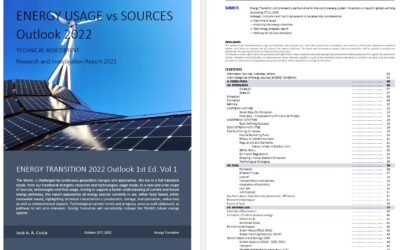
REPORT – ENERGY USAGE vs SOURCES – Outlook
(ENERGY TRANSITION 2022 onwards) 1st Ed. Vol 1
Academic Research and Investigation Report · Oct 14th, 2022
ABSTRACT
The World, is challenged by continuous geopolitics changes and approaches. We are in a full transition mode, from our traditional energetic resources and technologies usage mode, to a new and wide scope of sources, technologies and final usage.
Aiming to support a better understanding of current and future energy pathways, this report approaches all energy sources currently in use, either fossil based, either renewable based, highlighting technical characteristics (production, storage, transportation, utilization) as well as environmental impacts. Technological current trends and progress, were as well addressed, as pathway to net zero emissions. Energy Transition will consistently reshape the World’s future energy system.
REPORT CONTENTS
A. FOSSIL FUELS
A1. PETROLEUM
… Crude Oil
… Shale Oil
… Extraction
… Formation
… Refining
* UPSTREAM ACTIVIES
…… Seven Steps for Extraction
…… Nota Galp – Processamento Primário de Fluídos
* MIDSTREAM ACTIVITIES
…… Basic Refining Concepts
* DOWNSTREAM ACTIVITIES
…… Fuel Swithching on Vessels
…… Marine Bunkering Fuels
…… Effects on the Environment
…… Regulations and Standards
…… Marpol Annex VI Sulphur Limit
…… SECAs ECA.s
…… EU in-port Regulations
…… Shipping – Actual Scenario Emissions
…… Technological Strategies
* B5. GEOTHERMAL (GEOPOWER)
…… Key Facts
…… Where does it comes from
…… Sources of Energy
…… Direct use of resources
…… Power Station Types
…… Working Principles
…… Dry Steam Power
…… Flash Steam Power
…… Combined Cycle
…… Current Limitations
…… Energy Development
…… Cost
…… Environmental Impact
…… Installed Geothermal Capacity
A2. COAL
…… Formation
…… Different Types
…… Uses of
…… Transportation and Delivery
…… Production of Electricity
…… Coal ash
…… Ash Disposal
…… Key Facts about Coal electricity production – Efficiency
…… Environmental Impact
…… Future of Coal
* B6. OCEAN
** OCEAN THERMAL
…… Technology (OTEC – Ocean Thermal Energy Conversion)
…… Closed Cycle
…… Open Cycle
…… Hybrid Cycle
…… Classification of Production per location
…… On shore
…… Off shore
** MECHANICAL
…… Wave
…… Technology
…… (OWC) Oscillating Water Column
…… (OB) Oscillating Water Body
…… (OP) Overtopping System
…… Cost of Supply Chain
…… Wave Energy Market Statistics
…… Tidal
…… Resources Potential
…… Technologies
…… Tidal Fence
…… Barrage or Dam
…… Sluice
…… Turbine
…… Generator
…… Tidal Turbine
…… Types of Turbines
…… Currents
…… Resource Potential
…… Technology
…… Market
…… Challenges
* CHEMICAL (SALINITY)
…… Resource Potential
…… Salinity Contrast Index (SC)
…… Economics
…… Technology
…… (PRO) Pressure Retarded Osmosis
…… (RED) Reverted Electro Dialysis
…… Additional usage of Desalinization
* ENHANCING THE BUSINESS CASE OF OCEANS ENERGY
A3. NATURAL GAS
…… Methods of Exploration
…… Utilization of LNG to produce energy
…… Simple Cycle
…… Combined Cycle
…… Environmental Impact
…… Green House Effect (GHG)
…… Global Warming Potential ((GWP)
…… Carbon Capture and Storage (CCS)
…… Carbon Capture (CCUS), (CCS), (CCU)
…… Transport
…… Storage (Enhanced Oil Recovery – EOR)
…… Facts and Figures – Environmental assessment
…… Cost
…… CO2 Leakage
…… Hydrogen Production from NG
…… Resources and Reserves of Oil and Gas
…… Terms used in the Oil and Gas Industry
…… Natural Gas and Mobility
…… Advantages of LNG as fuel for Shipping
TECHNICAL DATA ON PROPULSION SYSTEMS (engines)
…… Fuel Engines
…… Four Stroke
…… Two Stroke
…… Gasoline Engine
…… Diesel Engine
…… Gas Turbine
…… Combined Diesel and or Gas
…… Hybrid Systems (Diesel / Gas / Electric)
…… GN – Dados Portugal
B. RENEWABLES ENERGIES
…… Energy Transition
* B1 WIND POWER
…… Onshore Energy
…… Offshore Energy
C. ALTERNATIVE FUELS
* C1. HYDROGEN
…… Production Process
…… Natural Gas Reforming
…… Cost of Hydrogen
…… Steam methane reforming (SMR)
…… Autothermal reforming (ATR)
…… Path of Hydrogen – Competitiveness – cost perspective
…… Global Hydrogen Transportation
…… Liquid Hydrogen (LH2)
…… Ammonia (NH3)
…… Ammonia vs Hydrogen
…… Direct Ammonia Fuel Cell
…… Ammonia Internal Combustion Engine
…… Preparing a Container Vessel for (ammonia or methanol)
…… Overview of Hydrogen Utilization
…… Hydrogen Fuel Cells
…… Hydrogen Fuel on Combustion Engines
…… Estratégia Nacional para o H2
…… EU H2 Strategy 2022
…… US H2 Strategy 2020
…… World 20 Largest Hydrogen Projects (2020)
* B2 SOLAR POWER
…… Key Facts
…… Photovoltaics (PV)
…… Concentrated Power (CSP)
…… Power Systems: On-Grid, Off Grid, Hybrid Systems
…… On-grid
…… Off-Grid
…… Hybrid
…… Theoretical Principles – Technologies
…… Five top solar power developments (2021)
…… New Solar Panel Technologies
…… Floatavoltaics
…… Building Integrated photovoltaics (BIPV)
…… Solar Skins
…… Solar Fabric
…… Photovoltaic noise barriers
…… Energy Island (Future Developments)
…… EU Solar Strategy
* B3. HYDROPOWER
…… Hydropower Plant components
…… Different Types of Turbines
…… Impulse
…… Reaction
…… Power house
…… Hydropower Plants type
…… Run of the river (ROR)
…… Storage Hydropower
…… Offshore Hydropower
…… Site Selection Criteria
…… Case Studies (Exemples)
…… Gestão da Água Portugal – Espanha
…… Factores de Uso da Água
…… Sistemas de Arrefecimento
…… Disponibilidade Água
…… Convenção de Albufeira
* C2. NUCLEAR
…… Nuclear Power in the World Today
…… Improved Performance from existing reactors
…… Princípios de Funcionamento
…… Custos de Produção
…… Types of Nuclear Reactors
…… Thermal Reactors (Conventional)
…… (PWR) Pressurized water reactor
…… (BWR) Boiling Water Reactor
…… (GCR) Natural Uranium Gas Graphite Reactor
…… (AGR) Advanced Gas Reactor
…… (HTAGR) Elevated Temperature Gas Cooled Reactor
…… (HWR – CANDU) Heavy Water Nuclear Reactor
…… Fast Neutron Reactor /Fast breeder reactor
…… How else Nuclear Reactors can be classified
…… Energy Generation
…… Energy Transition
…… Challenges and cost of Energy Mix
…… Future
…… Nuclear Energy Taxonomy
* B4. BIOFUELS
…… Biogas
…… Biomethane
…… Bioenergy
…… Biogas / Biomass Powerplant
…… Gasification
…… Waste Disposal
…… Upgraded Biomethane
…… Biomethane costs
…… Biogas Outlook
…… Biomethane Outlook
…… Transportation BioFuel Markets – Ethanol
…… Biomassa Portugal
* STATISTICS DATA 2020
…… Electrical Consumption by Country – Energy Sources
…… Share of Fuel and Renewables
…… World Consumption per energy type
…… Share of consumption per energy type
…… Regional consumption pattern
…… World Annual Electrical Consumption
…… DADOS ENERGÉTICOS PORTUGAL – 2021 – 2022
* EU CARBON PERMITS
…… Paris Agreement
* EU TRADING SYSTEM (ETS)
…… General Information
…… Shipping
* TECHNOLOGY SPECIFIC ENVIRONMENTAL CONSIDERATIONS
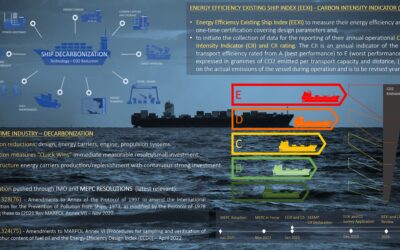
SHIPPING – EEXI AND CII REGULATIONS
Feb 15th, 2023
MARITIME INDUSTRY – moving towards DECARBONIZATION and ENERGY EFFICIENCY MEASURES
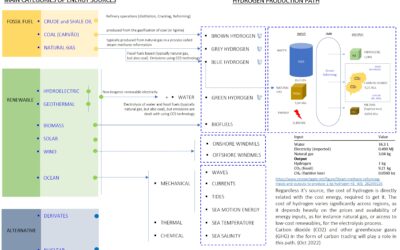
HYDROGEN PRODUCTION PATH (general and brief information)
On Earth, hydrogen (H2) is found combined with other elements.
Hydrogen is not an energy source (not available separately in nature and requires energy to be “produced”), but is an energy carrier.
It has to be produced from one of the primary energy sources: fossil fuels, nuclear, solar, wind, biomass, hydro, geothermal and urban waste resources.
All the energy we use, including hydrogen, with the current knowledge, must be produced from one of these primary energy resources.
There are several methods for producing or extracting hydrogen. Two primary options exist for producing hydrogen with lower carbon intensity:
1) Electrolysis powered by low-carbon electricity;
2) Natural gas reforming and coal gasification with CCS (Carbon Capture & Storage).
(for producing low-carbon hydrogen from natural gas with CCS, two technology options exist: steam methane reforming (SMR) and autothermal reforming (ATR). Steam reforming is a technology fairly well developed and in place, that allows hydrogen production from hydrocarbons and water (in some countries represent 95% of H2 production. (https://www.eia.gov/energyexplained/hydrogen/))
Others are still in the phase of development such as biomass gasification.
https://www.researchgate.net
https://www.sciencedirect.com/topics/engineering
The cost of hydrogen is directly related with the cost energy.
Global Hydrogen Transportation
There are currently two main ways to transport hydrogen with acceptable levels of efficiency: in a pipeline and in bulk transportation (mainly liquid by ships).
There are three (3) main forms to do it by ship:
a) liquid hydrogen (LH2) meaning the liquid state of the element hydrogen. In order to be in a fully liquid state at atmospheric pressure, H2 needs to be cooled to aprox. (−260 °C) typically through compression (insulated tanks);
b) using ammonia (NH3) as the hydrogen carrier. Ammonia is a gas under atmospheric conditions, with three atoms of hydrogen. Here is generally cooled down to a temperature of about −33 °C, allowing the utilization of unpressurized containers (also possible to be transported through pipelines and tank-cars).
c) Using liquid organic hydrogen carriers (LOHCs), which considers the usage of liquid organic compounds that can absorb and release hydrogen through chemical reactions. LOHCs can therefore be used as storage media for hydrogen.
https://www.energy.gov/eere/fuelcells/liquid-hydrogen-delivery
Transportation of energy sources is being stressed further due to geopolitical aspects (namely War in Ukraine), requiring deeper assessment and understanding of transportation infrastructures available and associated sustainable investments.
https://www.oxfordenergy.org/publications/oies-podcast-global-trade-of-hydrogen-what-is-the-best-way-to-transfer-hydrogen-over-long-distances/
Lat 38º 43’52″ N | Long 009º 17’00″ W
2730 – 095 Oeiras
PORTUGAL
E-mail: empresa@lazullis.pt
website: www.lazullis.pt