LAZULLIS
Desenvolvimento Sustentado





About
Think tank oriented, with 30 years consolidated senior executive management field experience, either on early-stage start-ups and or projects, either ongoing operation, framed by complex and competitive international business environment and players, LAZULLIS, actively provides services supporting the development and implementation of business activities driving to greater efficiencies and sustainability, in situ mainly to SME’.s
MISSION
Strong principles of ethics and integrity, full dedication and commitment with a team building collaboration, knowledge and experienced based judgement, towards a Sustainable Development.
VISION
On site implementation of business plan initiatives, driving to greater efficiencies and sustainability, through leadership, guidance and communication, of multidisciplinary staff and teams.
Services
Business strategy and management
Data gathering, assessment and evaluation (short, long term). Reporting (information based).
Business plan development and management, focused on resilient capacity building, value added and decision forward.
Sustainability and project management
Prepare and assist them with their business plan whether supporting development actions on-site/project management, focused on adding value.
Assessing the business mainframe, redesigning processes, and adjusting resources, develop a team building approach and collaboration, knowledge and experienced based judgement. Leadership, guidance and communication, multidisciplinary staff and teams, in situ.
Sound customer relationship commitment are facilitators.






Activity sectors
Proven track record developed within industrial Multinational and resilient SME.s organizations, framed by complex and competitive international business environment and players (private companies, governmental and professional associations).
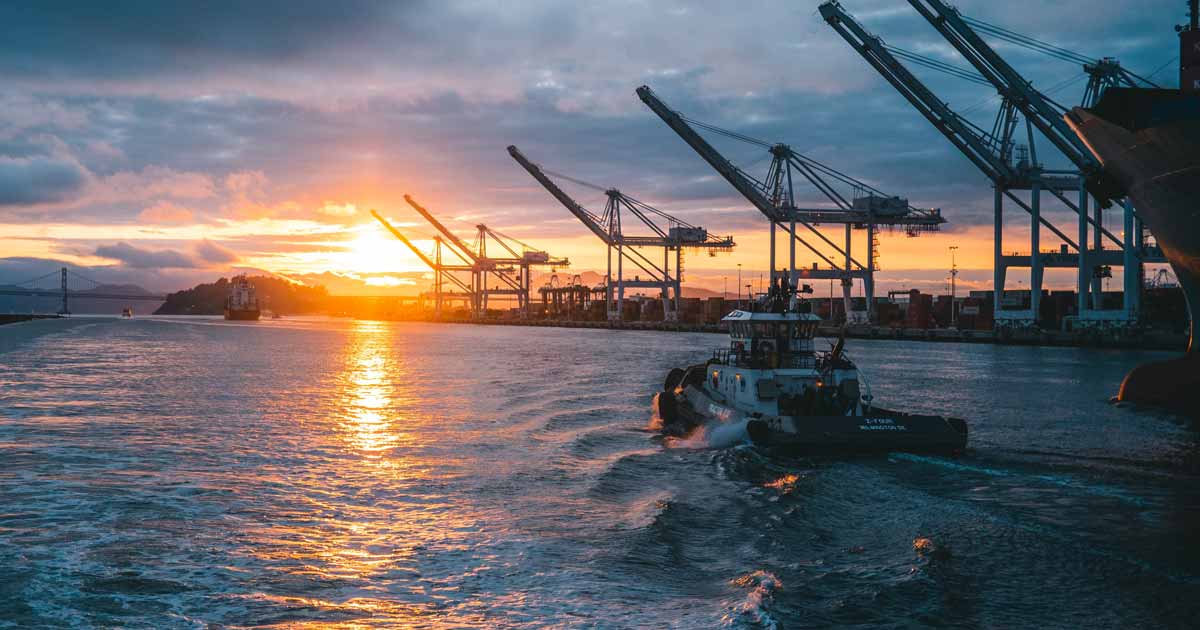
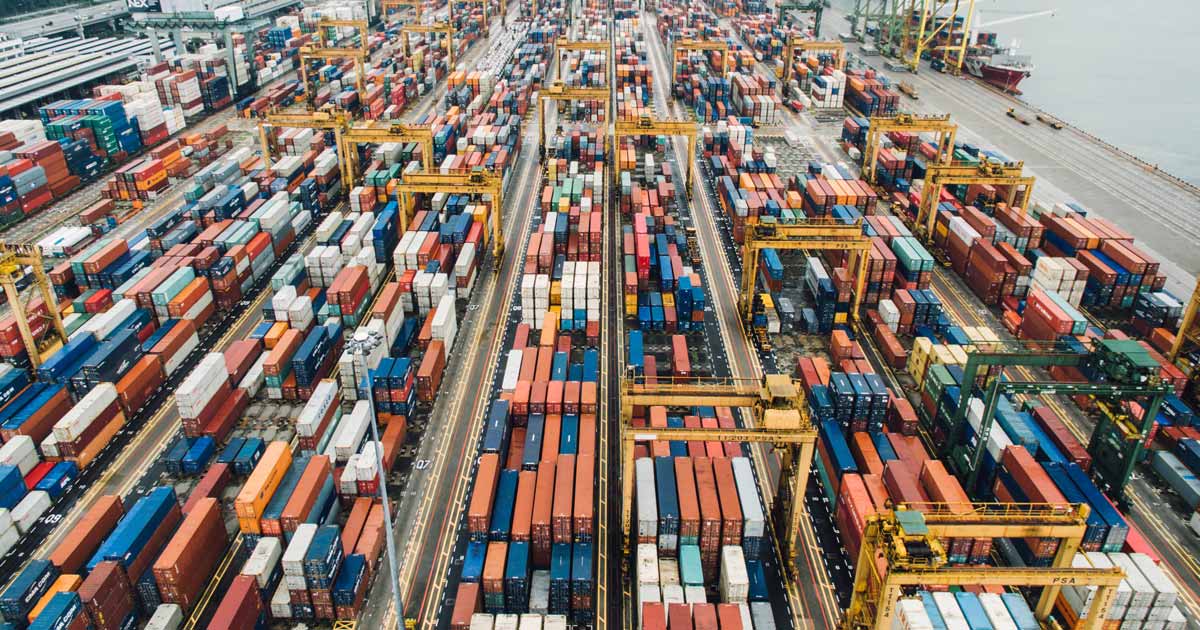
Maritime operations integrated services
Shipyard, Port Terminals, Towage, Rescue and Salvage, Fi-Fi and Pollution Control.
Maritime offshore services
Windfarms, Oil & Gas
Infrastructure projects (piers, breakwaters)
Production / maintenance
Metalwork, anti-corrosion protection on industrial infrastructures: Transportation, Maritime, Energy
Manufacturing metal / plastic assemblies, and components
Welding / Stamping / Moulding Tools and Dies.
Automotive components industry
Electronics and Plastics Manufacturing.
Building maintenance and rehabilitation (urban and rural). Agro-livestock sector
News
INTERNATIONAL TRADE (2030 scenarios)
Version 1:1 José A. A. Costa
March 2024
International trade, a timeless endeavour that has spanned centuries, embodies a fusion of adventure, courage, and technological prowess that continues to evolve into a highly sophisticated facet of modern society.
Looking ahead to 2030, the landscape of international trade promises a dynamic rebalancing of global economic power, with emerging giants such as China and the USA leading the charge. Despite challenges like competition, protectionism, and localization, which have been prevalent in recent times, the resilience of nations and regions ensures that obstacles are overcome, echoing Henry Ford’s timeless wisdom: “The only real mistake is the one from which we learn nothing.”
This transformative shift is underscored by the pivotal roles played by countries like China, India, and Brazil in reshaping the global economic arena. Forecasts suggest that China alone is poised to contribute around 20% to the global GDP by 2030, marking a departure from the historical dominance of traditional economic powerhouses.
Various scenarios, ranging from the concept of “global commons” to “competing nations,” offer divergent perspectives on trade liberalization, regional trade blocs, and economic growth. The maritime trade sector, which constitutes a staggering 90% of international trade, faces challenges like climate change and pollution but also stands to benefit from opportunities arising from the opening of new trade routes due to the melting Arctic ice.
Insights gleaned from esteemed sources such as the World Economic Forum, J.P. Morgan, OECD, and Mordor Intelligence paint a promising picture of global trade, with forecasts projecting a remarkable $30 trillion trade volume by 2030. These reports highlight the significance of intra-regional trade, geopolitical dynamics, and regional trade agreements in shaping the international trade landscape.
Additionally, studies focusing on supply chain dynamics, international policies, and the evolving role of entities like the European Union further underscore the multifaceted importance of international trade in driving national economies forward.
As we journey from 2024 onward, the evolution of international trade holds immense significance, with insights from diverse studies providing a comprehensive understanding of the intricate interplay between economic, geopolitical, and environmental factors. In this ever-changing landscape, nations stand poised to embrace the opportunities and challenges that lie ahead, ensuring that international trade remains a cornerstone of global prosperity and cooperation.
#geopolitics #internationaltrade #transformation #governance #economics #internationalization #routes #tradeblocks
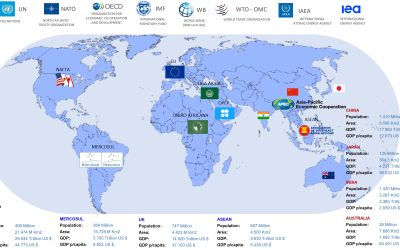
INTERGOVERNMENTAL ORGANIZATIONS – Changing Geopolitics
Version 1:1 José A. A. Costa
Novembro 2023
Intergovernmental organizations typically consist of a group of countries, varying in size, and occasionally include other international entities. These organizations periodically convene to discuss and sometimes collaborate in addressing global or specific shared-interest issues. Regardless of the diverse subjects they handle—ranging from cultural and educational matters to wealth, military, and others — an inevitable common focus lies on economic issues. Consequently, factors influencing economic growth, supporting development, progress, and improved living standards play a crucial role, intertwining with the intricate dynamics of geopolitics.
These organizations may take both official and non-official forms. The former, endowed with authoritative power, can enforce recommended policies through treaties governed by international law. However, despite their significance, they all face the challenge of consensus-building.
While these organizations have historically played indispensable roles within their spheres of influence, the imperative to ADAPT THEIR FUNCTIONING AND DECISION-MAKING MECHANISMS FOR GREATER EFFECTIVENESS is more pressing than ever. There is a risk of rendering some organizations obsolete if they become less influential and incapable of effective action.
Reflecting on the Peace of Westphalia (1648), a pivotal diplomatic document in European history and a precursor to global history, underscores the complexity of intergovernmental negotiations. Though not encapsulated in a single document, this peace emerged from three complementary agreements signed at different times and places, written in parallel terms with interconnected provisions. Despite this complexity, the Peace of Westphalia marked a turning point, affirming the State as the primary entity in the European order. It laid the foundation for the concept of the State and the principles of an international relations system, driven by a collective desire to prevent total war on the continent.
Since then, significant progress and challenges have been experienced, including two world wars, providing impetus for the emergence of intergovernmental organizations. These entities serve as platforms for dialogue and action, aiming to address global or specific shared-interest problems, ultimately working towards preventing a recurrence of catastrophic conflicts.
Let’s not forget: … foreign policy may find itself deprived of the conceptual notion and historical sense that should integrate it … [Henry Kissinger in World Order @2014]
Sources: United Nations | European Union | World Bank | International Monetary Fund | Global Trade Data | World Economic Forum
ECONOMICS and FINANCE
ENTERPRISE ECONOMIC|FINANCIAL MANAGEMENT OUTLOOK 2023_24
Research and Investigation Report
Aspects applied to Management 2nd Ed. Vol 1
Finance and economics are two important fields that are closely related to enterprise management. Financial management is concerned with the management of financial resources, including the acquisition, allocation, and utilization of funds. On the other hand, economics is concerned with the study of how individuals, businesses, and governments allocate resources to satisfy their needs and wants. In the context of enterprise management, finance and economics play a crucial role in decision-making. Financial management helps managers make informed decisions about how to allocate resources, while economics provides a framework for understanding the broader economic environment in which the enterprise operates.
Lat 38º 43’52″ N | Long 009º 17’00″ W
2730 – 095 Oeiras
PORTUGAL
E-mail: empresa@lazullis.pt
website: www.lazullis.pt