LAZULLIS
Desenvolvimento Sustentado





About
Think tank oriented, with 30 years consolidated senior executive management field experience, either on early-stage start-ups and or projects, either ongoing operation, framed by complex and competitive international business environment and players, LAZULLIS, actively provides services supporting the development and implementation of business activities driving to greater efficiencies and sustainability, in situ mainly to SME’.s
MISSION
Strong principles of ethics and integrity, full dedication and commitment with a team building collaboration, knowledge and experienced based judgement, towards a Sustainable Development.
VISION
On site implementation of business plan initiatives, driving to greater efficiencies and sustainability, through leadership, guidance and communication, of multidisciplinary staff and teams.
Services
Business strategy and management
Data gathering, assessment and evaluation (short, long term). Reporting (information based).
Business plan development and management, focused on resilient capacity building, value added and decision forward.
Sustainability and project management
Prepare and assist them with their business plan whether supporting development actions on-site/project management, focused on adding value.
Assessing the business mainframe, redesigning processes, and adjusting resources, develop a team building approach and collaboration, knowledge and experienced based judgement. Leadership, guidance and communication, multidisciplinary staff and teams, in situ.
Sound customer relationship commitment are facilitators.





Activity sectors
Proven track record developed within industrial Multinational and resilient SME.s organizations, framed by complex and competitive international business environment and players (private companies, governmental and professional associations).
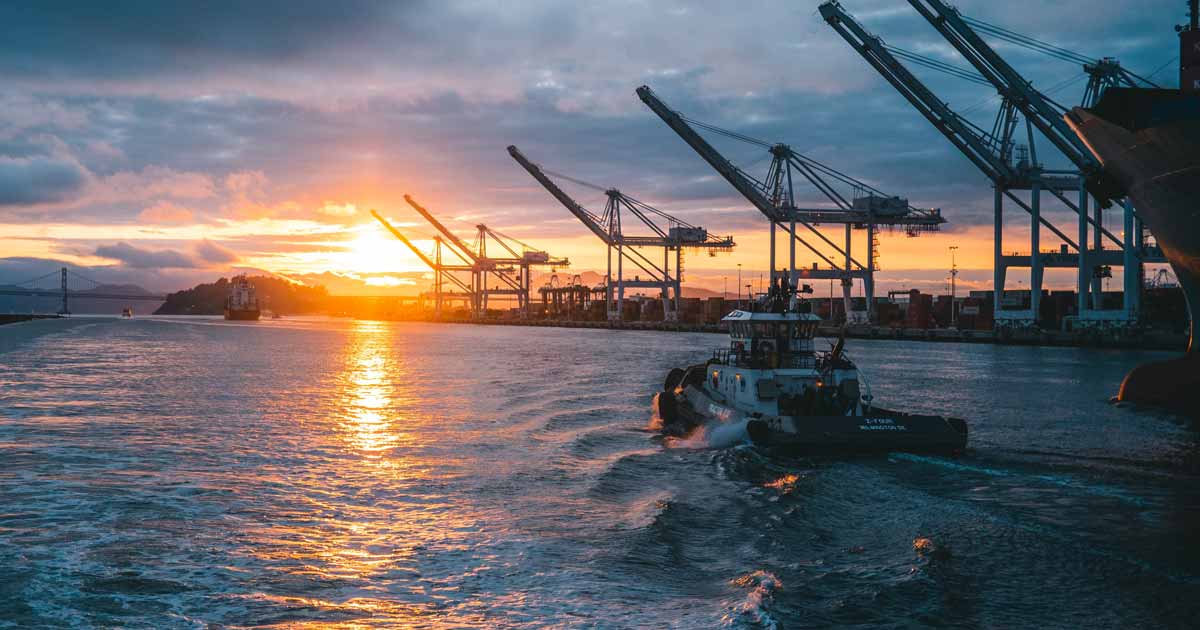
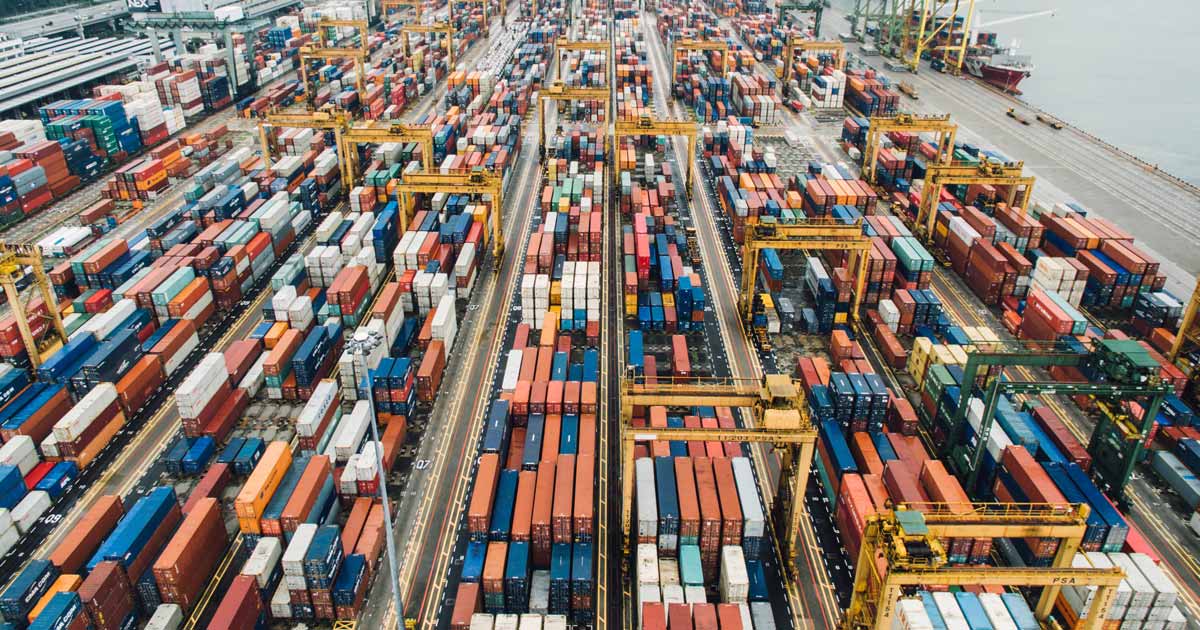
Maritime operations integrated services
Shipyard, Port Terminals, Towage, Rescue and Salvage, Fi-Fi and Pollution Control.
Maritime offshore services
Windfarms, Oil & Gas
Infrastructure projects (piers, breakwaters)
Production / maintenance
Metalwork, anti-corrosion protection on industrial infrastructures: Transportation, Maritime, Energy
Manufacturing metal / plastic assemblies, and components
Welding / Stamping / Moulding Tools and Dies.
Automotive components industry
Electronics and Plastics Manufacturing.
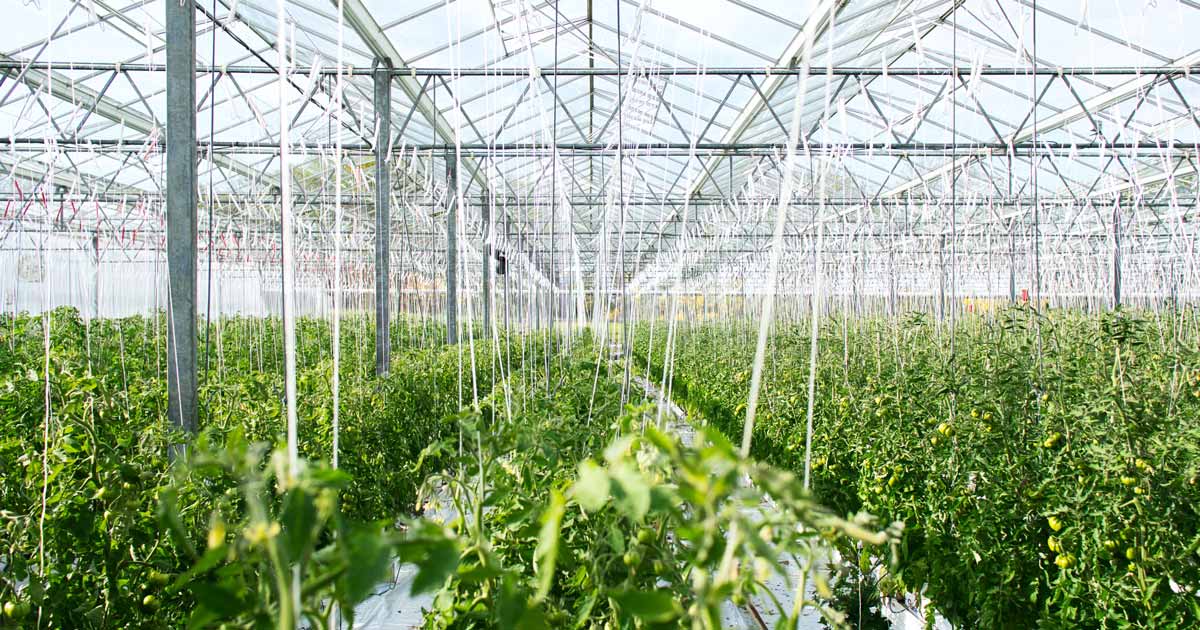
Building maintenance and rehabilitation (urban and rural). Agro-livestock sector
News
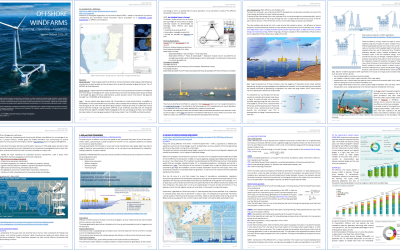
OFFSHORE WINDFARMS
Engineering – Operation – Economics | Report Outlook 2023_24
José A. A. Costa | Researcher Business and Project Management | Feb 11th 2024, Ed|Rev 1|3
ABSTRACT
Over the last decade, World Regions are embracing offshore wind. Companies that pursue projects can expect numerous challenges and must excel across multiple domains. Rapidly expanding government commitments and technological progress are contributing to the positive outlook in established markets and countries new to offshore wind.
Offshore energy can be a major contribution, to increase the renewable energy share on an energy mix plan (renewable and dispatchable generation), to assure efficient energy production and availability in respect with zero carbon goals.
Offshore windfarms are still a nascent technology and its LCOE is substantially higher than onshore and bottom fixed offshore wind, and thus requires to be drastically reduced. As so, this report is being constantly updated, either market wise either and in particular on the technical side.
The current research and report address the majority of aspects required, from site selection to decommissioning, running through maritime space geopolitics, environmental, engineering and technologies, financial, economics and energy market, regulations/standards and procedures, on a life cycle project development mode, as follow:
1. DEFINITIONS
2. WINDFARMS BASICS
(Cross Ref. REP – ENERGY USAGE vs SOURCES – Outlook (ENERGY TRANSITION 2022 onwards) 1st Ed. Vol 1)
3. PROJECT ASSUMPTIONS AND DEVELOPMENT
4. DESIGN CONCEPTION
5. INSTALLATION
6. GRID – ENERGY TRANSFORMATION / TRANSPORTATION
7. OPERATION & MAINTENANCE
8. THE ROLE OF PORTS IN OFFSHORE WIND ENERGY
9. DECOMMISSIONING
10. ECONOMICS
11. ENERGY MARKET
12. SCALING UP & FUTURE DEVELOPMENTS
13. POLICIES, STANDARDS AND REGULATIONS
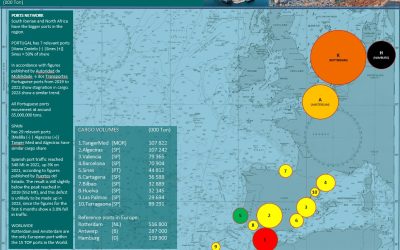
PORT INFRASTRUCTURE SUPPORTING INTERNATIONAL TRADE AND ENERGY TRANSITION
Version 1:1 José A. A. Costa
Part 2
Indeed, as trade volumes surge, the imperative to improve port capacity and capabilities becomes ever more pressing. Today, ports are envisioned not merely as transshipment points but as engines of sustainable growth and technological advancement.
Ensuring successful navigation towards 2030 demands vigilance and foresight from the maritime industry, particularly in leveraging the potential of port infrastructure. For those who adeptly navigate these currents of change, the horizon promises opportunities, where the winds of progress propel the maritime sector towards new frontiers of prosperity and sustainability.
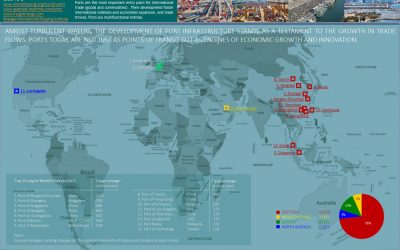
PORT INFRASTRUCTURE SUPPORTING INTERNATIONAL TRADE AND ENERGY TRANSITION
Version 1:1 José A. A. Costa
March 2024
In the dynamic landscape of global trade and the evolving paradigm of energy transition, port infrastructure emerges as a cornerstone, anchoring the maritime industry amidst transformative currents. These driving forces were identified in the “Global Marine Trends 2030” report. The confluence of demographic shifts, economic dynamics, resource imperatives, and environmental concerns sets the stage for profound change within the commercial shipping sector.
Beyond these forces, the intricate interplay of geopolitical factors adds complexity to the maritime domain, with nations strategically manoeuvring to safeguard trade routes and assert control over vital resources. In this geopolitical chessboard, ports assume pivotal significance, serving as strategic nodes in the intricate network of global commerce.
Amidst the turbulence of these waters, the expansion and enhancement of port infrastructure emerge as imperatives. Ports, the bustling arteries of international trade, are not mere conduits of goods but hubs of opportunity and innovation. They constitute the gateway to economic growth and prosperity, where the challenges of energy transition find ground for adaptation and innovation.
Indeed, as trade volumes surge, the imperative to improve port capacity and capabilities becomes ever more pressing. Today, ports are envisioned not merely as transshipment points but as engines of sustainable growth and technological advancement.
Ensuring successful navigation towards 2030 demands vigilance and foresight from the maritime industry, particularly in leveraging the potential of port infrastructure. For those who adeptly navigate these currents of change, the horizon promises opportunities, where the winds of progress propel the maritime sector towards new frontiers of prosperity and sustainability.
Lat 38º 43’52″ N | Long 009º 17’00″ W
2730 – 095 Oeiras
PORTUGAL
E-mail: empresa@lazullis.pt
website: www.lazullis.pt